Sound familiar?
Your users shouldn't be the ones who find the bugs
A launch date is set, and everyone is busy building. Testing gets squeezed in at the end. Then:
customers find the broken form, the missing translation or the page that doesn't load on their phone;
your editors open the new CMS and don't know where to start;
nobody can say exactly what "working correctly" means, because it was never written down;
your own team spends weeks on the acceptance test, next to their day job.
After a migration or relaunch, the risk is bigger still: content, URLs and integrations all move at the same time.
Our view
QA is more than "does it work?"
Of course every flow has to work. But a site that works can still frustrate the people who use it: the visitor who can't find the button, the editor who needs ten clicks for a simple change. So we test from their point of view as well: does this make the job easier for the visitor, the editor and the person who pulls the reports?
What we do
What our QA team does
Requirements and acceptance criteria. We write down what "done" means, so the client, the developers and the testers expect the same thing.
Test cases, kept up to date. Every requirement becomes a test case. Developers use them to check their own work.
End-to-end testing of every flow, by hand, the way your visitors and editors use it: forms, search, logins, checkout, multilingual content and the CMS itself.
Test content. We create the content we need to test every component and template, so we don't wait for the real content.
Issues flagged before launch, logged with steps to reproduce and the expected result, and retested once fixed.
Support for your acceptance test, so your team tests what matters and knows how to report.
Platform training, tailored to your editors: in their language, at their level.
For accessibility and security, we use our own accessibility audit and security audit.
What makes the difference?
“Testing if something works as expected is a major part of our QA activities, but anyone can check if something works or not. That's where our QA team tries to make a difference. We also try to answer the question: does this make the user happy?”
 Nathalie Dumont
QA & Requirements Consultant, Blastic
What you get
What you get before go-live
the agreed test scope and the test cases;
a list of issues with steps to reproduce, expected behaviour and priority;
the results of the retests;
a go-live overview: what is ready, and which open points remain, so you decide with full information;
editors who know the platform.
How it works
How QA works in a project
Requirements. At the start, together with you and the team: what should the platform do, for whom?
Test cases. We turn every requirement into a test case, including the grey zones nobody discussed yet.
Testing. End-to-end, with test content, on the devices and browsers your visitors use. Issues go straight to the developers.
Retesting. Every fix is checked again, and so is what it could have broken.
Your acceptance test and training. Your team tests with our test cases and learns the platform.
Go-live. With the overview of what is ready and what is still open.
Is another partner building your site? We can also test it for you, as an independent check before launch. For a migration, we also check content, URLs and redirects, as in our Fast Deal migration.
At a glance
For: websites, CMS and DXP platforms, e-commerce and migrations
How: manual end-to-end testing, with test cases and test content
Also: platform training for your editors
First step: an intake
Intake
Tell us what you're launching and when. We'll tell you what we would test, and what it takes.
Trust
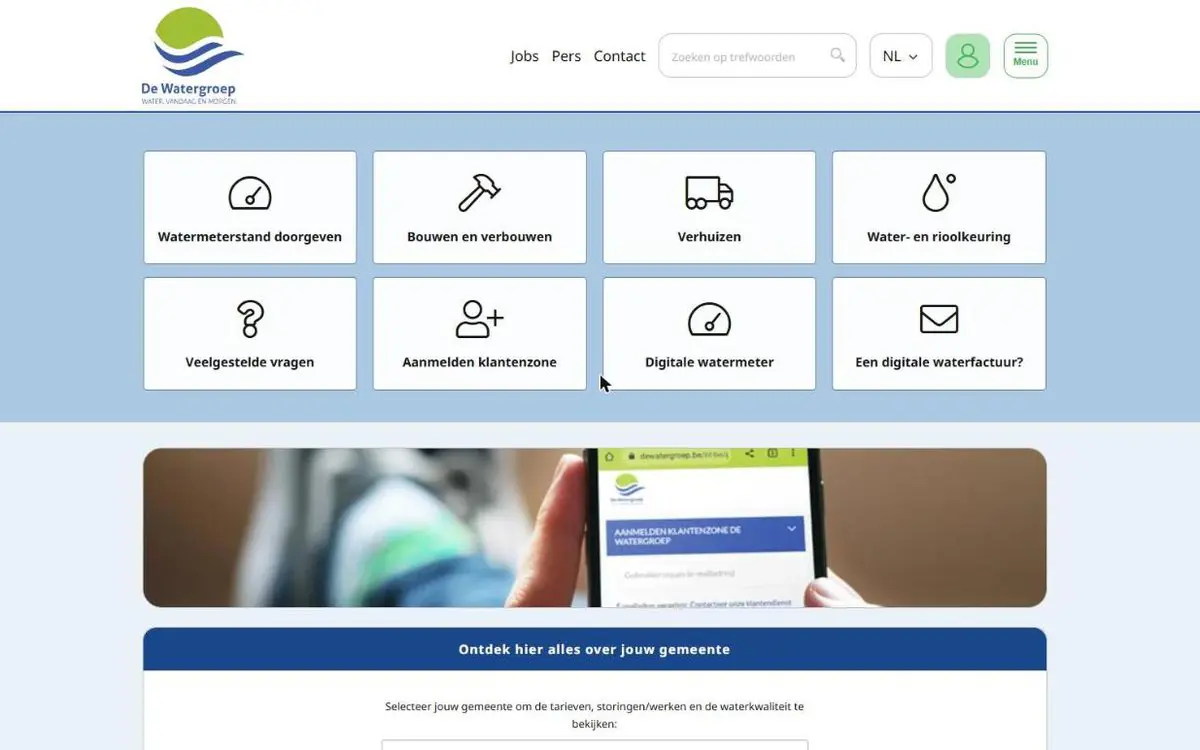
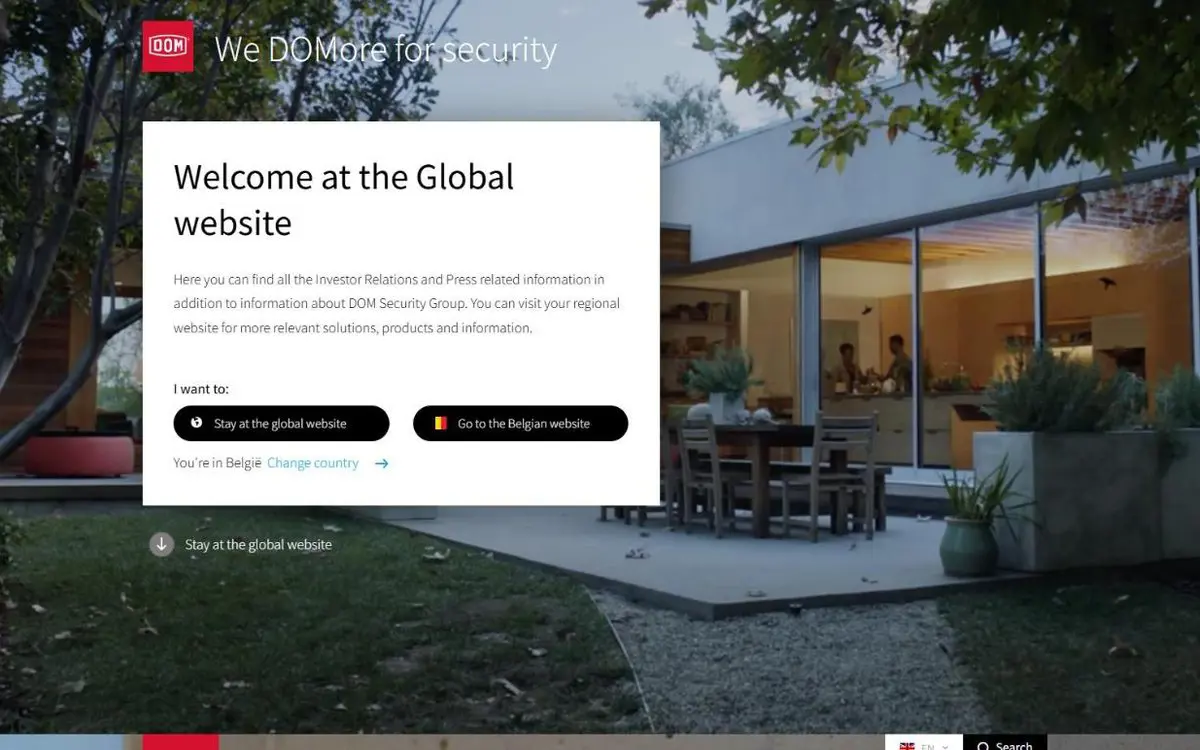
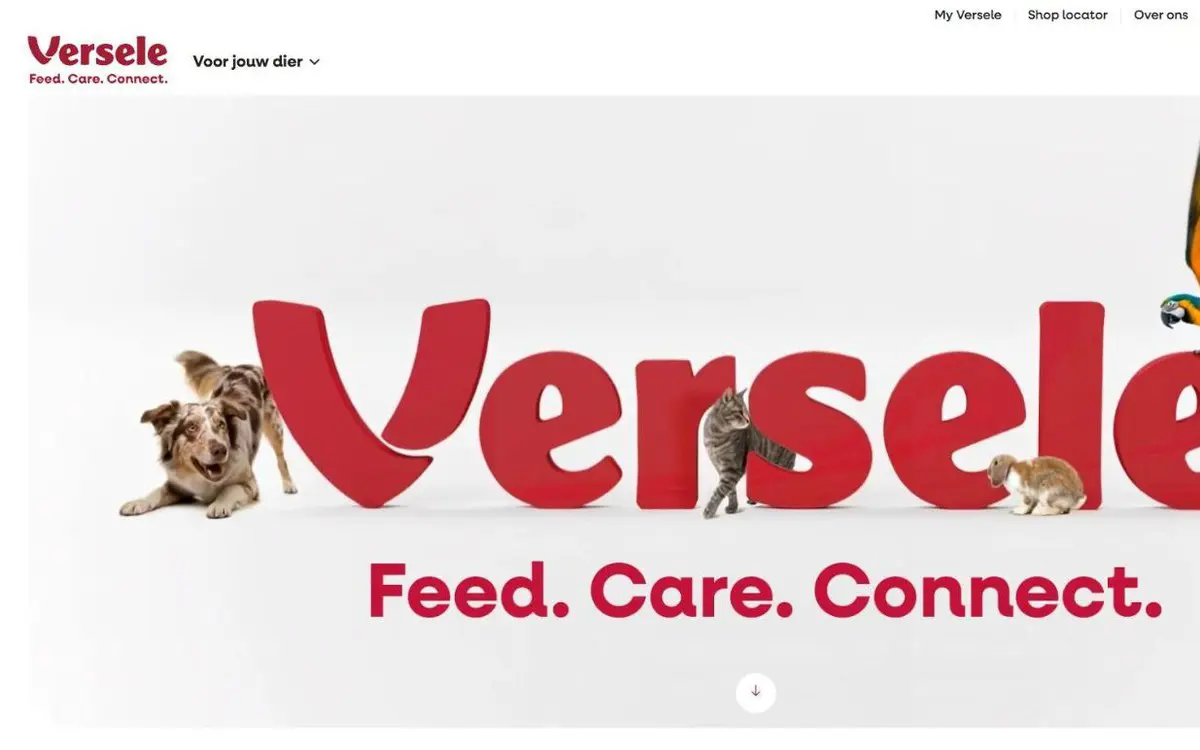
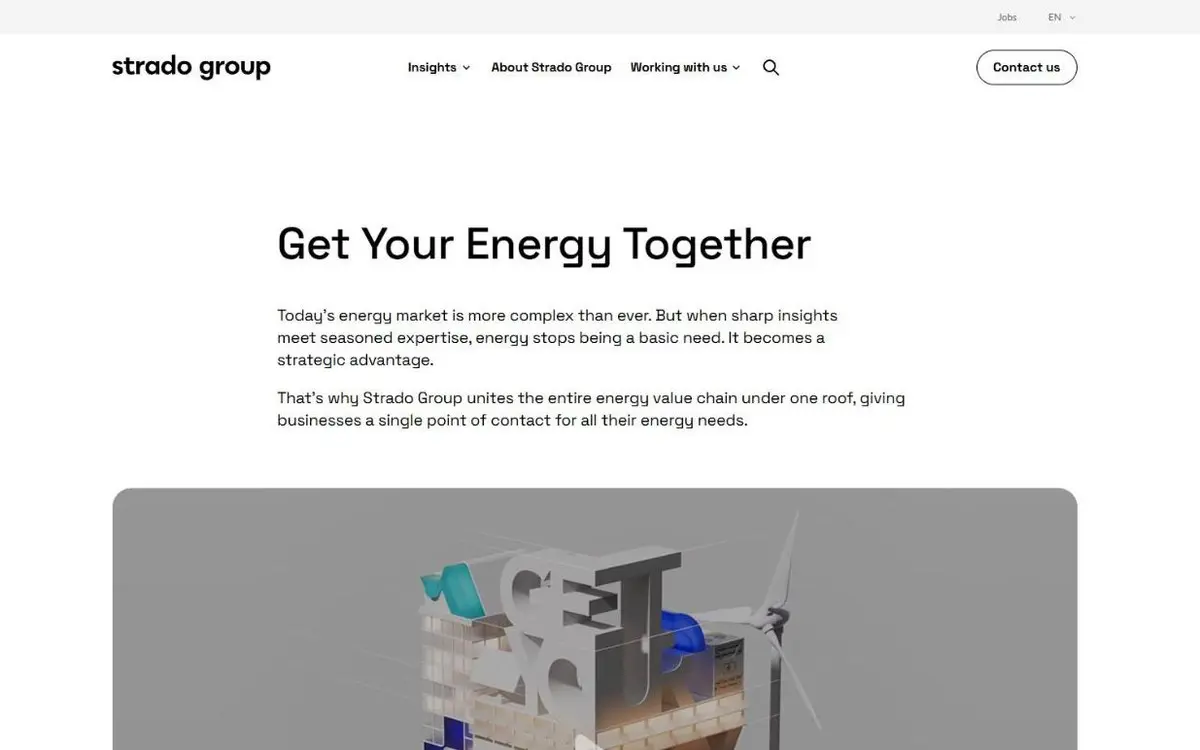
Platforms we tested before launch
Our QA team, led by Nathalie Dumont, tests every platform we build. Nathalie has been a Requirements & QA Consultant at Blastic for more than ten years.
After launch
Testing doesn't stop at go-live
Every update and every new feature can break something that worked before. With a support agreement, we run regression tests on each release: the important flows are tested again before the change goes live.
Price
What does QA cost?
In our own projects, QA is part of the plan from the start. As a separate service, it depends on the size of your platform, the number of flows, languages and devices, and whether training is included. After the intake, you get a quote that fits.
Frequently asked questions
What is the difference between QA and testing?
Testing checks whether something works. Quality assurance is broader: it starts with clear requirements, so you know what to test, and it follows the quality through the whole project, up to training and the tests after launch.
What is the difference between end-to-end testing and a user acceptance test?
An end-to-end test follows a complete flow, from the first click to the end result, such as an order or a form that reaches your CRM. A user acceptance test (UAT) is the test your own team does to decide whether the platform meets what you asked for. We do the first, and prepare and support the second.
What is a regression test?
A regression test checks that a change didn't break anything that already worked. After an update or a new feature, the important flows are tested again.
What is a smoke test?
A smoke test is a short check of the most important functions, for example right after a release, to see whether the platform works at all before deeper testing starts.
When should testing start?
At the start of the project, with the requirements. The earlier the expected behaviour is written down, the fewer surprises at the end, and the cheaper an issue is to fix.
What do you need from us?
Access to the platform and the test environments, the people who know your processes for the requirements, and time from your team for the acceptance test. We take care of the test cases and the test content.
Tell us what you're launching
A new site, a migration or a relaunch: we'll look at what needs testing and tell you how we'd approach it.